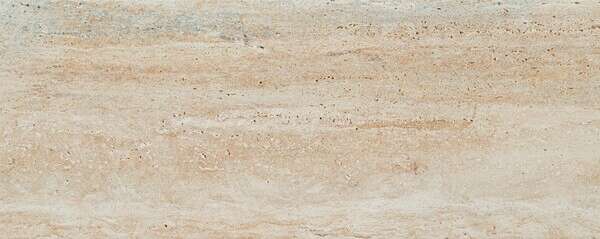
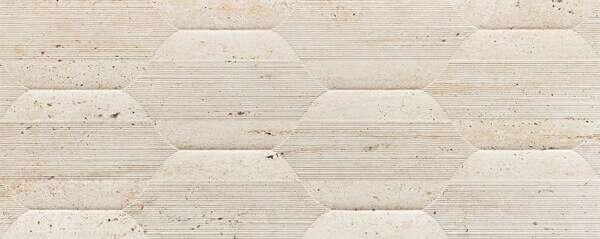
What Is in Our Ceramic Wall Tile Range
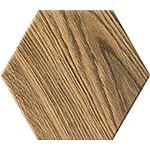
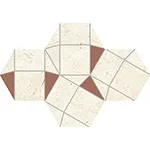
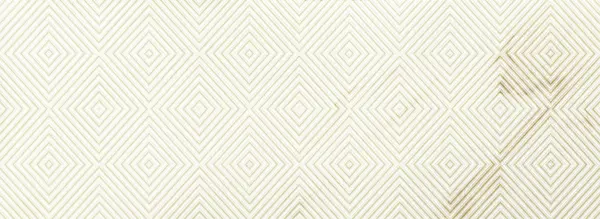
309 wall tiles are listed, split mainly between white body ceramic, red body ceramic and porcelain. Subway sizes anchor the range, with Abisso White 3x9 in a gloss glaze and All in White White 3x9 in a brick cut. The bulk sits at 12x24 and 12x36: All in White Gray and Bihara Brown 12x24 in matte, Artemon Silver 12x24 in gloss, Aurora White 12x36 in both semi-matte and a glossy structure version alongside Aurora Blue, Green, Mint and Navy. Larger faces include Atlantic White 24x48 gloss and Berisso Beige and Berisso Brown 24x24 in matte porcelain. Hexagons such as Bihara Beige 4x5 and decor sets like All in White Forest, built from 14 or 42 elements, cover the pattern end.
Choosing Ceramic Wall Tile
Body type comes first. White body ceramic carries a cleaner glaze color and is the usual choice for bright whites; red body ceramic is a denser standard clay; porcelain wall tile is heavier and less absorbent, and it is what you specify when one design has to continue onto a floor. Glaze comes next. Gloss bounces light and exaggerates any wall that is out of plane, while matte and semi-matte forgive it. Structure tiles carry a molded relief, so the direction of that relief has to be set before the first course goes up. Rectified pieces allow a thin joint; pressed and non-rectified tile needs a wider one.
Where to Use Ceramic Wall Tile
Most items here are glazed for vertical use, and where a design is also rated for floors the product specification says so. That makes the practical questions the substrate behind the tile, whether drywall, backer board or an existing tiled wall, and the height of the run. Full-height, wainscot and single-band installations each show a different amount of a structure or decor pattern, which is worth laying out dry before setting. For guidance tied to a specific room, see bathroom and shower tile. To hold one color across wall and floor, filter by white tile, gray and silver tile, green tile or blue tile.