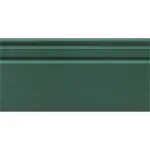
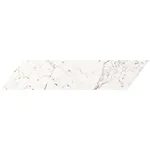
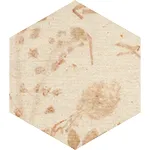
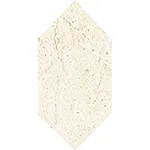
A bathroom asks more of a tile than any other room in the house: standing water, steam, soap residue, hard-water marks and bare feet, all in a space that is usually small and often has no window. The tile that solves the floor is rarely the tile that solves the walls.
What to Look For in Bathroom Tile
The range here runs porcelain, glazed porcelain, colored-body porcelain, white-body and red-body ceramic and glass, in matte, glossy, satin, semi-matte, lappato, polished and structured faces. Formats cover 3x9 and 3x12 subway, 6x6 and 6x9 decors, 9x12 and hexagon mosaic sheets, 12x24 and 24x48 wall tiles, and large-format porcelain for floors. Production type matters more here than elsewhere: rectified pieces take a narrow joint, pressed pieces need a wider one, and grout is what actually keeps water out.
Bathroom Floor Tile
Porcelain is the practical choice underfoot — dense body, low water absorption, and it takes traffic without showing wear. Matte, semi-matte and structured surfaces hide water spotting and give more grip than a polished face. Large format means fewer grout joints and less to scrub, which matters in a room you clean every week. Grout close to the tile color reads seamless; a contrasting grout turns the same tile into a graphic floor.
Bathroom Wall Tile
Walls are where the constraints loosen and the design happens. Glossy 3x9 and 3x12 subway tile throws light around a small or windowless bathroom. Structured and relief faces read as texture in low light, and decor pieces at 6x6 and 6x9 work as a niche lining, a border or a single feature area rather than a whole wall. Running the same wall tile from the tub surround up to the ceiling makes a low room read taller and removes a horizontal edge that collects soap.
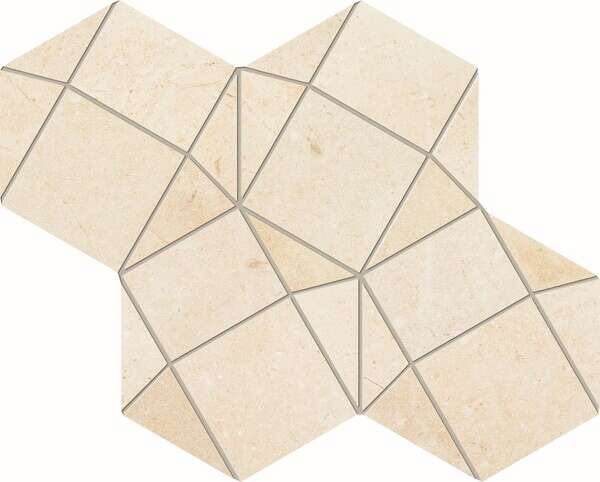
Bathroom Mosaic Tile
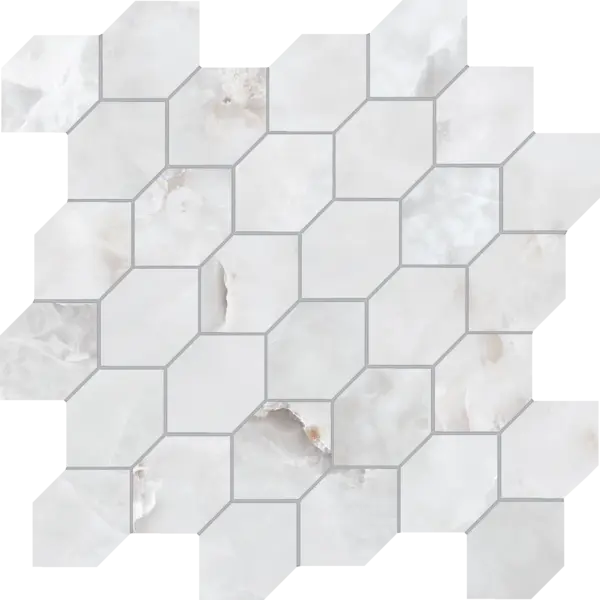
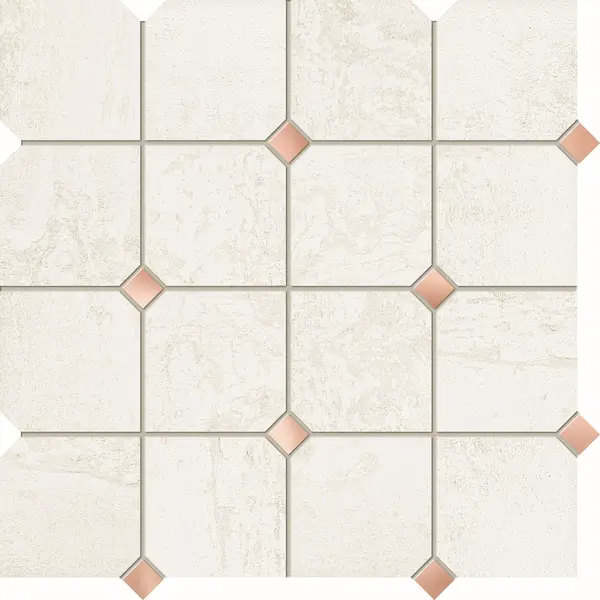
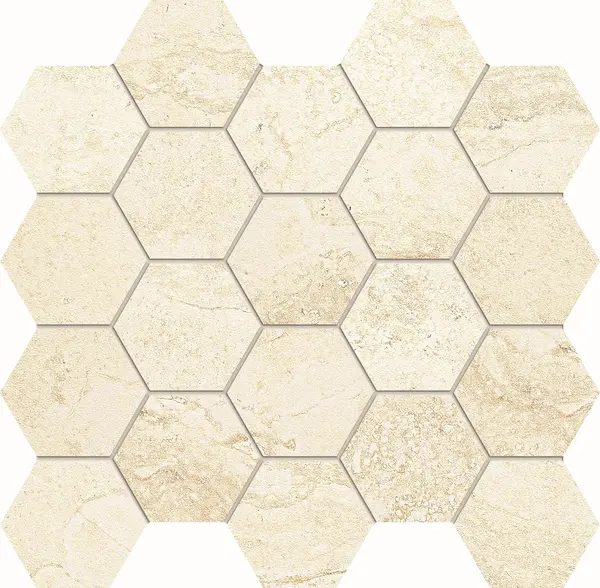
Mosaic sheets bring in smaller-scale pattern and a second material without committing a whole surface to it. Hexagon, fish scale and 9x12 sheets suit a vanity wall, a niche or a band at eye level. They also flex across a slope, which is why they are the standard answer on a shower pan.
Choosing Bathroom Tile
Pick the floor first, then choose walls to match or contrast it — the floor has the tightest constraints, so it has the fewest options. Bathroom lighting is dim and warm compared with a showroom, which changes how a tile reads, so order $1 samples and look at them in the room they are going into. If the project centers on the enclosure rather than the whole room, the shower tile range covers pan mosaics and wall formats specified for wet areas.