What to Look For in Floor Tile
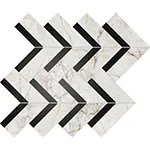
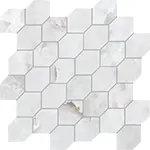
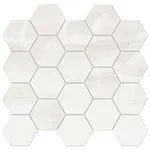
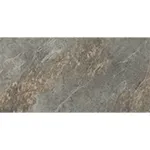
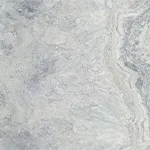
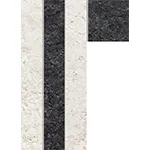
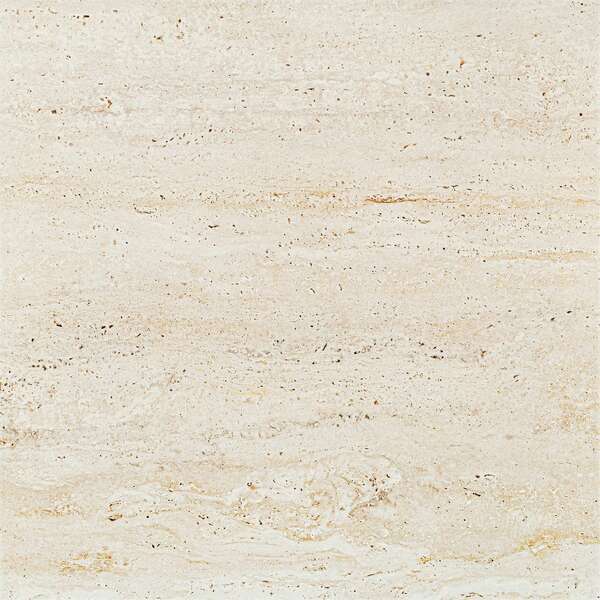
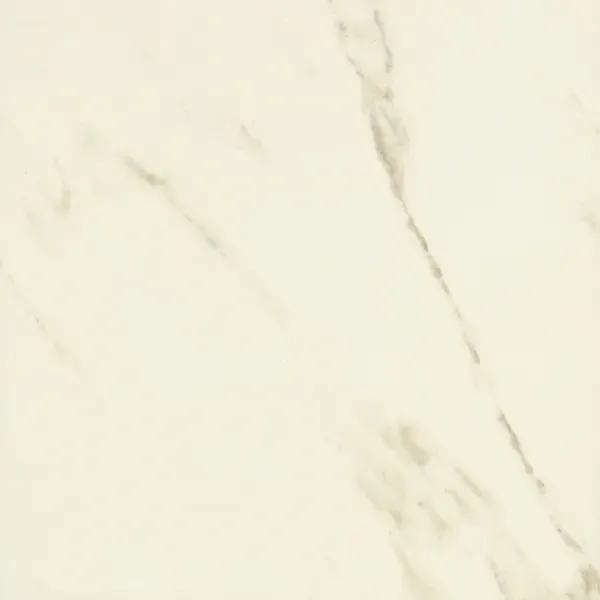
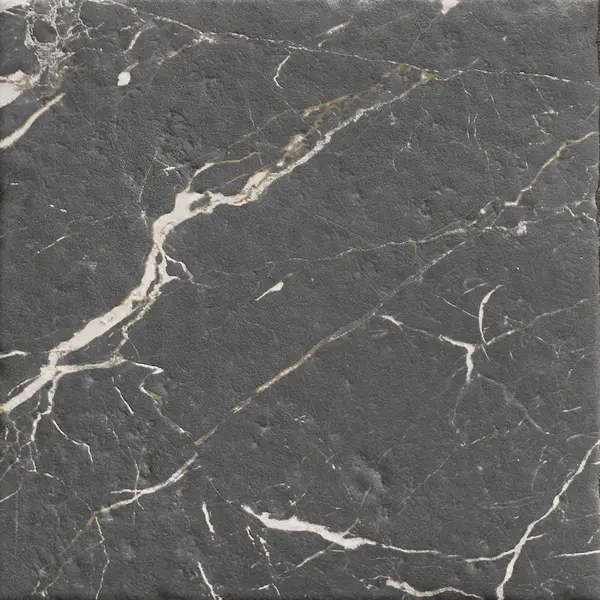
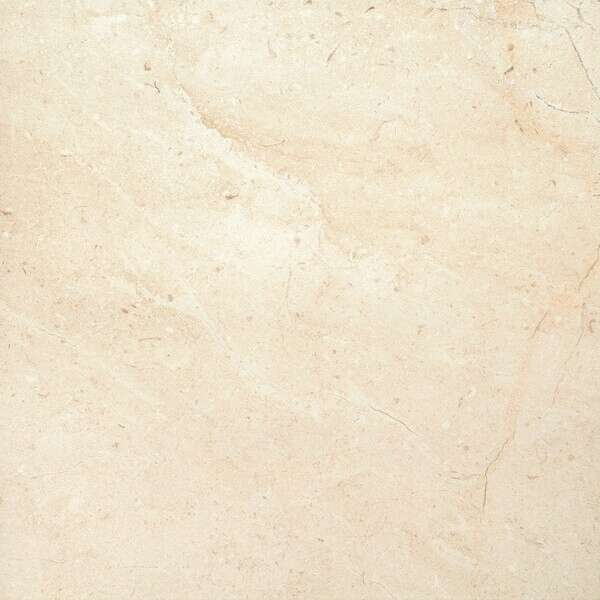
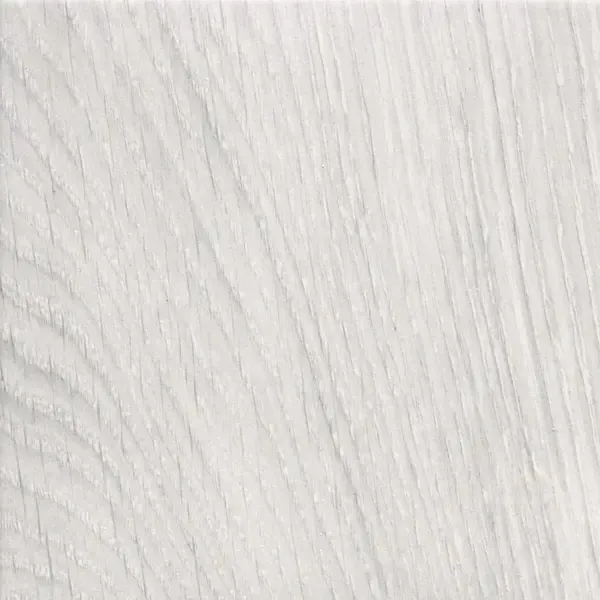
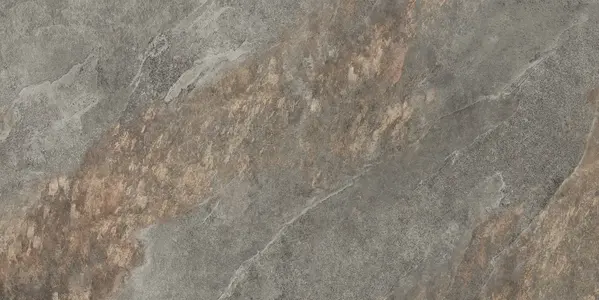
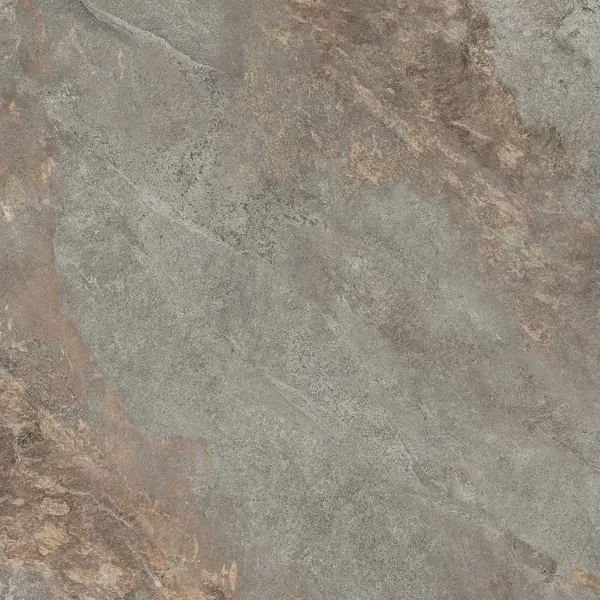
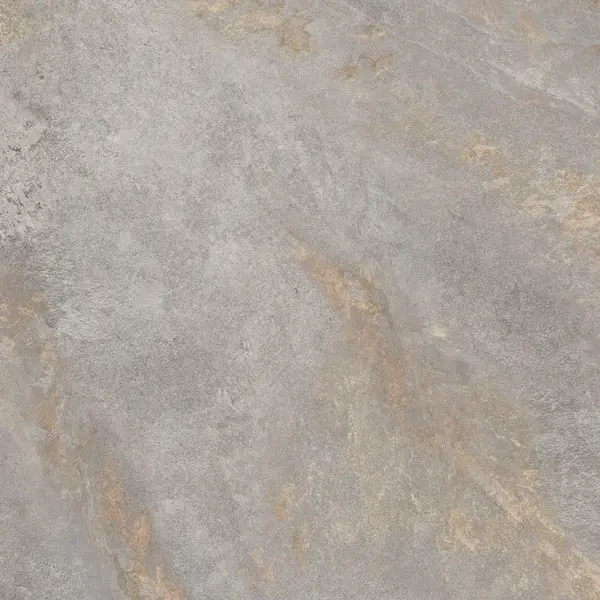
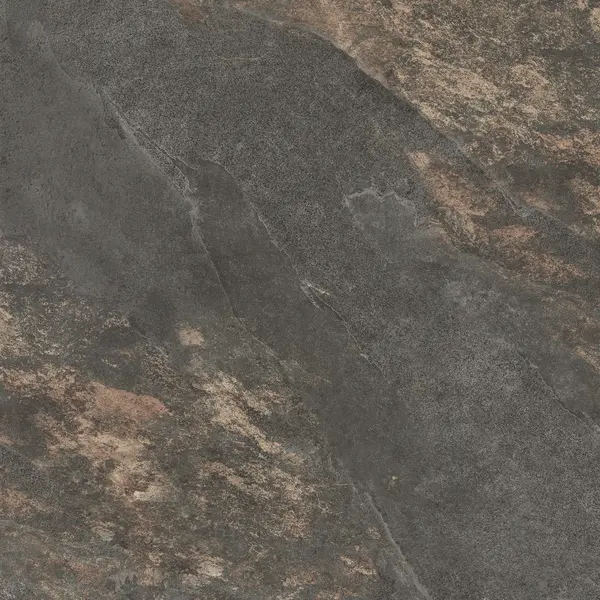
Underfoot, the decision is about body and face, not pattern. This page filters to porcelain, glazed porcelain, unglazed porcelain and colored-body porcelain, each pressed and fired to a dense body that copes with point loads. Examples in stock include Epoxy Gray 12x12 in a matte concrete look, Travertino Beige 12x24, Grand Cave Ivory, Brown and Graphite 12x24 matte step treads, Coma Natural 11x12 hexagon mosaic and Bunkyo Ivory 12x11 herringbone mosaic for tighter runs, and Grunge White 12x12 floor and wall mosaic. Colored-body and unglazed porcelain carry color through the thickness, so a chip shows far less than on a glazed face.
Choosing Floor Tile
Format sets the labor: 12x24 covers ground quickly and suits a hallway, while sheet mosaics belong where the floor turns or falls away. Matte and satin faces stand up to scuffing better than polished ones, and a polished kitchen floor shows every footprint; lappato sits between the two. For bathrooms, entries and any floor that gets wet, check the slip figure printed on the individual product specification instead of assuming a category-wide rating. Rectified tile allows a joint near 1/16 inch and a near-seamless field, non-rectified needs about 1/8 inch, and that grout line becomes a visible grid.
Where to Use Floor Tile
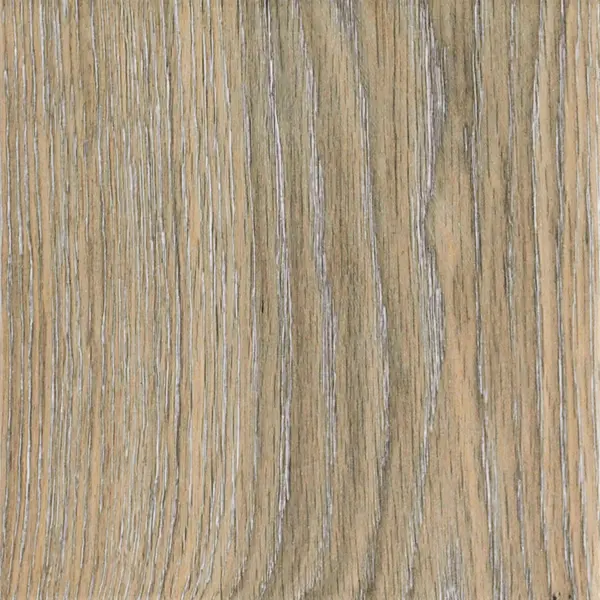
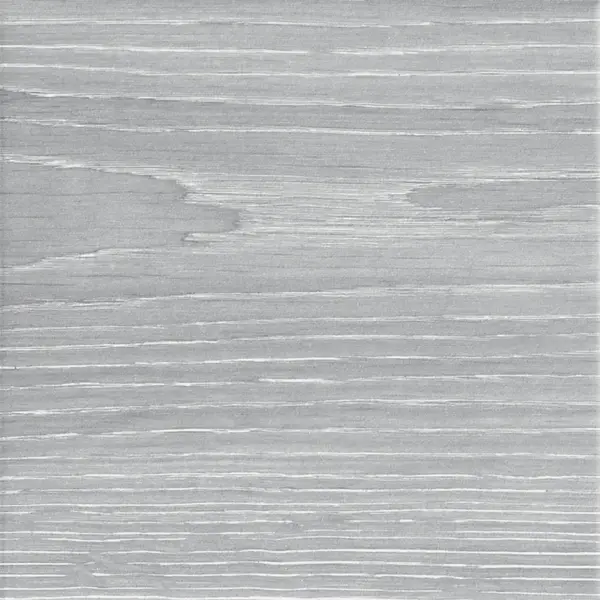
Kitchens, entry halls, corridors, living rooms, laundry rooms and bathrooms are the usual runs, and open-plan layouts gain from carrying one floor across the whole level. Stairs need a nosed piece, and the step tread range matches several field tiles here. Wood look porcelain gives a plank floor where a real board would be a problem, such as a basement or a bathroom. For the full material overview, see porcelain tile.