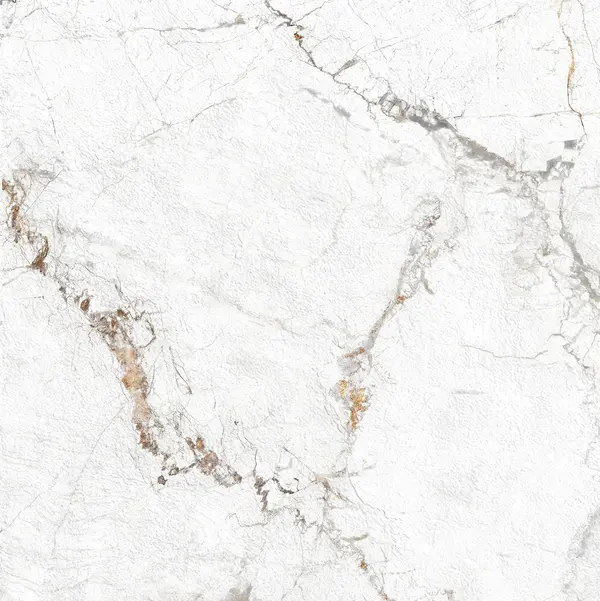
Textured Porcelain Tile at Laterem
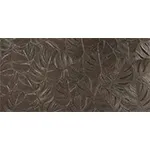
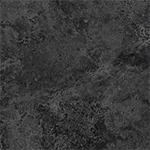
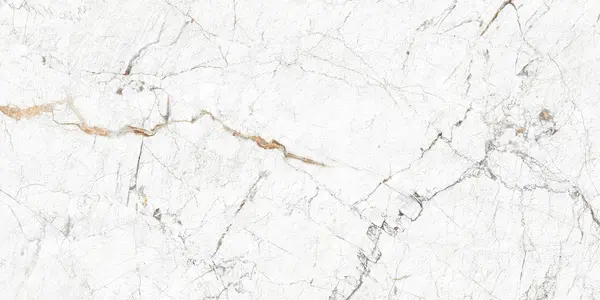
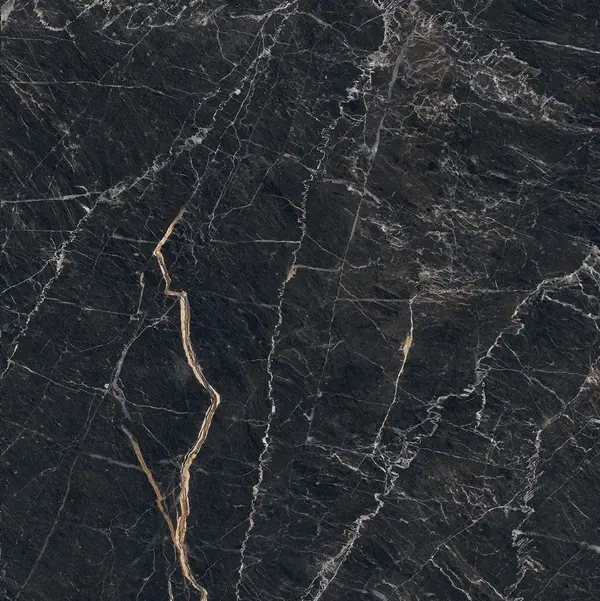
Structure porcelain is floor-first tile with a worked face. The surface is pressed with a fine texture instead of being left flat, which changes how it feels underfoot and how well it hides a scuff. There are 138 products, in glazed, unglazed and colored-body porcelain, and the formats run large: Grand Cave Ivory and Brown at 48x108, Vanilla White and Black at 48x109 and 48x48, Aulla Gray and Graphite at 48x48 in a concrete look, and Grand Cave again at 32x64 and 24x24 for smaller rooms. Alami Beige comes as a 9x60 plank. Faces range from matte through Mauritius Ivory in a lappato finish, with Tasmania Carpet 24x24 carrying a woven texture. Everything here is rectified.
Choosing Textured Porcelain Tile
Texture and upkeep pull against each other. A deeper structure grips better and disguises wear, and it also holds more dirt, so a heavily worked face makes sense in a mudroom while the same face in a kitchen means more scrubbing. Slip performance is measured per product, so read the specification rather than judging from a photograph. Big formats need a flat substrate and are normally set with a leveling system, since a 48x108 sheet is unforgiving of a high spot. Because the stock is rectified, a narrow grout joint is realistic, and that is what lets a large-format floor read as a single plane.
Where to Use Textured Porcelain Tile
This is the tile for floors that get used: entries, hallways, kitchens, laundries and mudrooms, open-plan living areas, and terraces or patios where the product specification allows exterior use. Check that specification for frost resistance before taking any of it outside. The structured face also works on a wall when you want floor and wall to be the same tile, which is common in a large walk-in shower. Continue a run with plain porcelain tiles, look at wood look planks for a warmer floor, or pick a tone from gray and silver.