What Is in Our Mosaic Tile Range
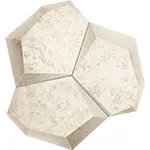
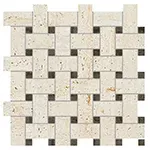
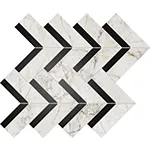
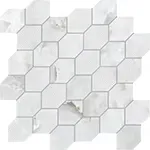
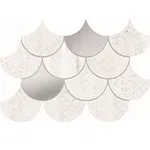
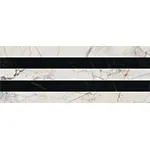
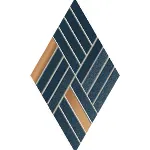
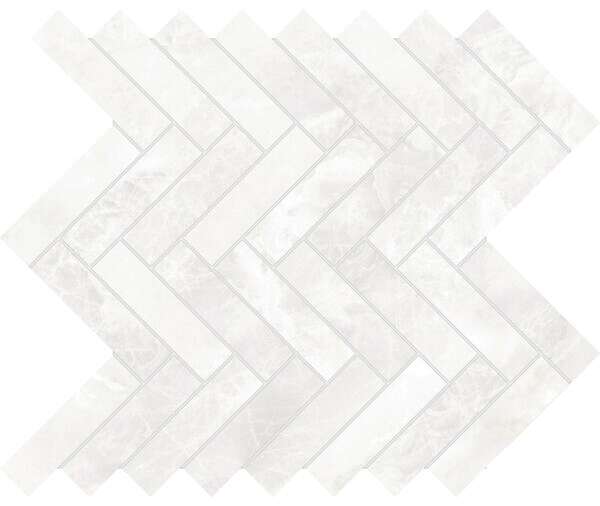
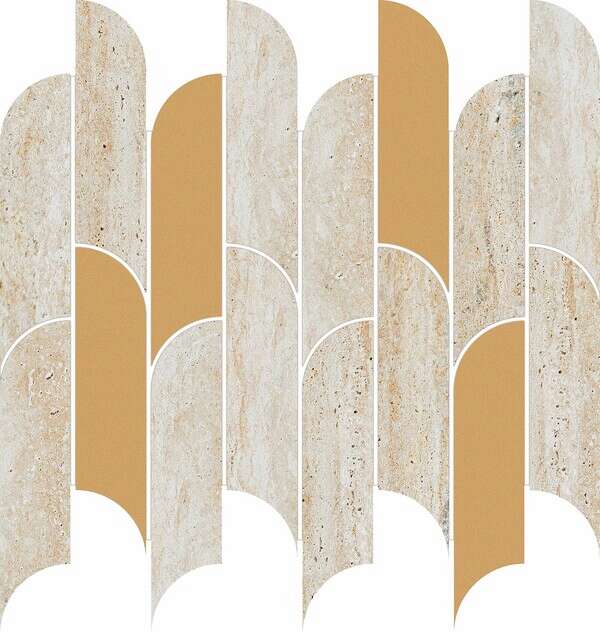
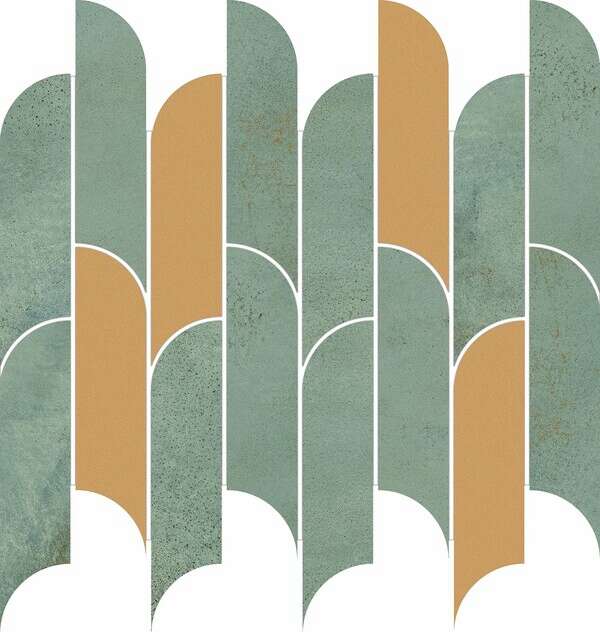
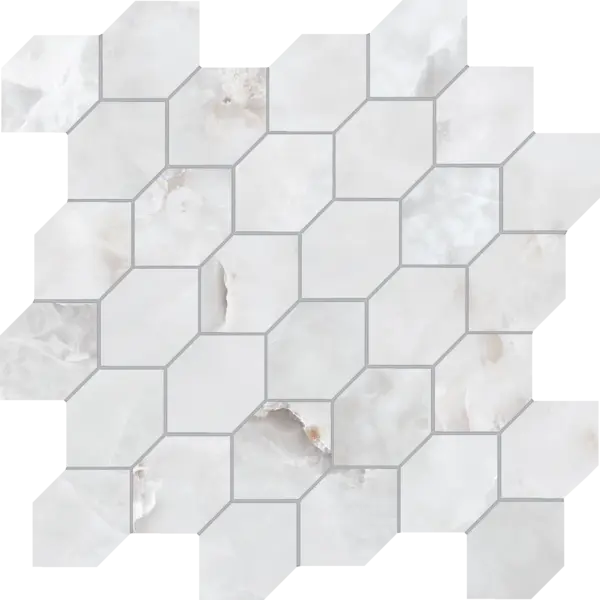
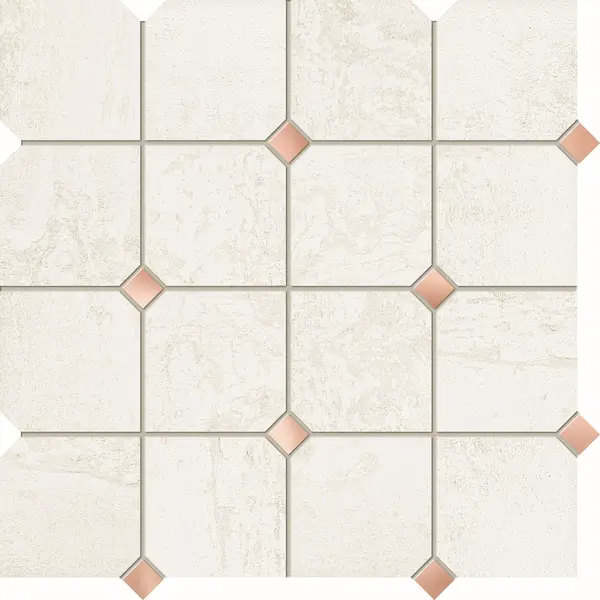
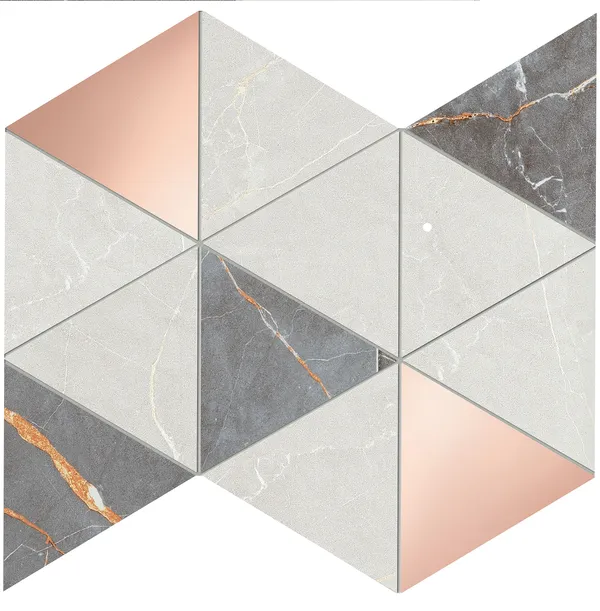
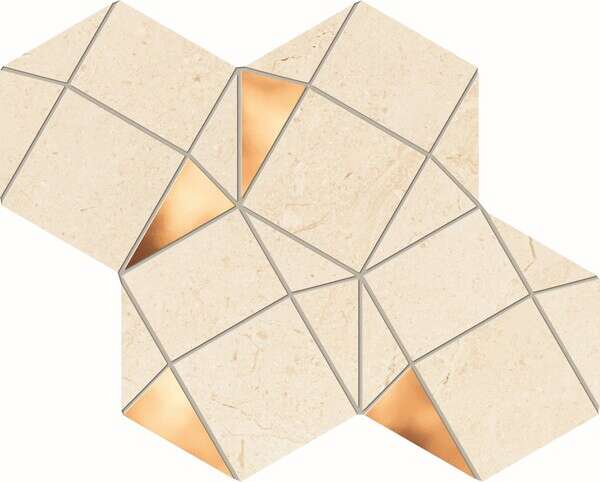
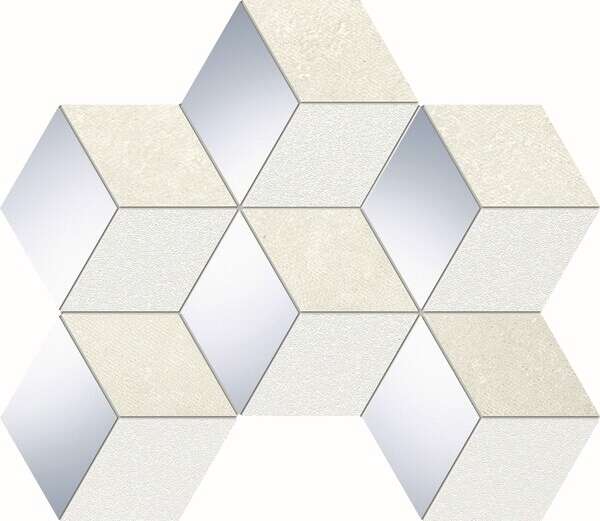
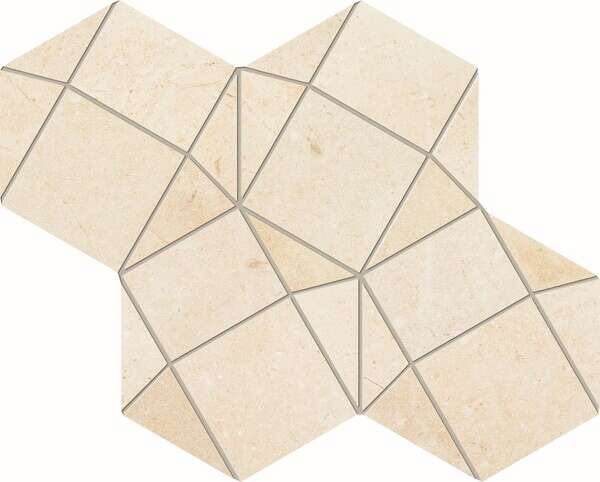
68 mosaic designs are listed, supplied as mesh-backed sheets in porcelain, glazed porcelain, white body ceramic and color body. Sheet sizes cluster around 12x12, 11x12, 11x13 and 9x24. Balance Stone appears in 9x24, 12x12 and 12x11 with a polished face and a mixed matte-and-polished version; Grand Cave White 12x12 and Grunge White 12x12 are matte porcelain; Aquamarine Gray 12x12 and Onice Bianco 11x13 pick up marble and onyx designs from the larger formats. Ceramic sheets cover the brighter end, including Dorado Stone White and Mauritius Mix Ivory in gloss, Reflection Navy and Reflection White as mixed finishes, and Fadma White, Blue and Copper 9x10 as a patterned sheet.
Choosing Mosaic Tile
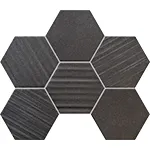
Chip shape decides the look more than color does. Square and rectangular chips give a regular grid, hexagon and chevron chips read as pattern, and strip formats stretch a wall horizontally. Small chips also mean a lot of grout, so grout color becomes a second design decision: a matched grout hides the grid, a contrasting one draws it. The sheets are mesh-backed, which means they can be cut through the mesh to fit a niche or a border without cutting individual chips. Rectified and pressed sheets are both listed, so check the sheet dimensions on the product specification, since nominal and actual sizes differ.
Where to Use Mosaic Tile
A sheet bends around obstacles that a full tile cannot, so mosaics do the work in shower pans, curbs, niches and tight returns around fixtures, and they are the usual answer for a backsplash that has to stop at outlets and cabinet ends. Matte porcelain sheets such as Grand Cave White are the practical choice underfoot; gloss ceramic sheets are better kept vertical. Several designs deliberately match a larger field tile, with Onice Bianco and Aquamarine Gray both appearing in the porcelain tile range, so a shower floor can share the wall design. To compare mosaics against the other formats, see tile by shape and pattern, or narrow a sheet by shade in blue tile.