Glass Decor Tile at Laterem
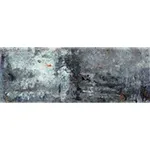
Glass tile carries its color inside a translucent body, so light passes into the piece and bounces back off the wall behind it. That is why a glass panel looks deeper and wetter than a glazed tile in the same shade. Laterem lists 13 products here, mixing solid glass with glass-and-ceramic combinations. Grunge Blue Decor A and B are 13x36 glossy glass panels meant to run side by side, and Sophisticated Black pairs glass with ceramic in the same 13x36 format. The largest pieces are architectural: Epoxy Birch 36x95 ships as four 24x36 tiles, and Blinds Glass 24x95 is an eight-element wall decor. The production filter here shows rectified stock only.
Choosing Glass Tile
Glass shows whatever sits behind it, so the setting material matters as much as the tile. A white thin-set keeps translucent colors bright while a gray one mutes them, and the recommended adhesive is worth confirming before you order. Judge the finish under the light the room actually gets, because a glossy face throws a hard highlight in direct sun and reads far softer in a north-facing bathroom. Cutting and drilling glass calls for a wet saw and a slow hand, so allow extra overage. Panels sold as separate elements, like Grunge Blue A and B or the four-piece Epoxy Birch set, only make sense ordered complete.
Where to Use Glass Tile
A kitchen backsplash is the natural home. The run sits at eye level, catches under-cabinet light, and wipes clean. Glass also suits a bathroom or shower, the back of a niche, or a lit band in a bar or hallway. Because it reflects, a small glass panel opens up a dim room more than the same area of matte tile does. Confirm wet-area and floor suitability on the product specification before committing. For reflective work at a smaller scale see mosaics, for a metal tone across other materials browse metallic, and for the blue-toned panels see blue tile.