
1 to 24 of 292 total
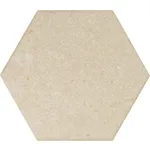
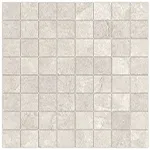
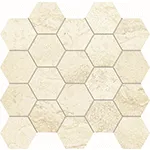
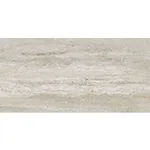



$28.01 / per Piece
Shower Tile Collection combines style, durability, and functionality to create beautiful and comfortable shower spaces. Available in a wide variety of colors, textures, sizes, and finishes, shower tiles offer endless possibilities for designing everything from calm, minimalist retreats to bold statement interiors.
Discover shower tiles designed to bring lasting beauty, versatile design, and refined character to every bathroom.
$28.01 / per Piece
A shower asks two different things of tile. The walls need a surface that sheds water and cleans easily. The floor needs to slope to a drain and stay underfoot when it is wet. Those are different problems, and they usually call for two different tiles.
Shower pans slope in more than one direction at once. A large tile cannot follow that fall without lippage or ponding, which is why mosaic sheets are the standard answer — hexagon and square sheets flex across the slope because each piece sits independently. The extra grout joints also give the foot something to grip, which matters more than the tile face itself. Keep polished faces off the pan and treat slip resistance as a per-product number, not something a finish name guarantees. Our mosaic tile range covers the sheet formats that work here.
Walls are where the format opens up. Glossy 3x9 and 3x12 subway tile throws light around an enclosure that usually has no window, and the joint pattern reads as intentional rather than busy. Larger 12x24 and 24x48 panels go the other way: fewer grout lines, less to scrub, and a calmer wall in a small room. Structured and textured faces show their relief in steam, so they read stronger in a shower than they do on a showroom rack. Running wall tile to the ceiling instead of stopping at the shower head makes a small enclosure feel taller and removes a horizontal edge that collects soap.
Pick the floor first. The pan has the tightest constraints, and once the mosaic is settled the wall tile can be chosen to match or contrast it. Grout does more work in a shower than anywhere else in the house — a mid-tone grout hides the water spotting that a bright white joint shows within weeks. Shower lighting is dim and warm compared with a showroom, which changes how a tile reads, so order $1 samples and look at them in the room they are going into.
Three mistakes come up repeatedly. Large-format tile on the pan, which ponds water in the low spots. Polished floor tile, which is slick wet regardless of how it feels dry. And wall-rated tile used on a floor, where the wear layer was never built for it. If the shower is part of a wider bathroom project, the full bathroom tile range covers vanity walls, floors and tub surrounds alongside the enclosure.


